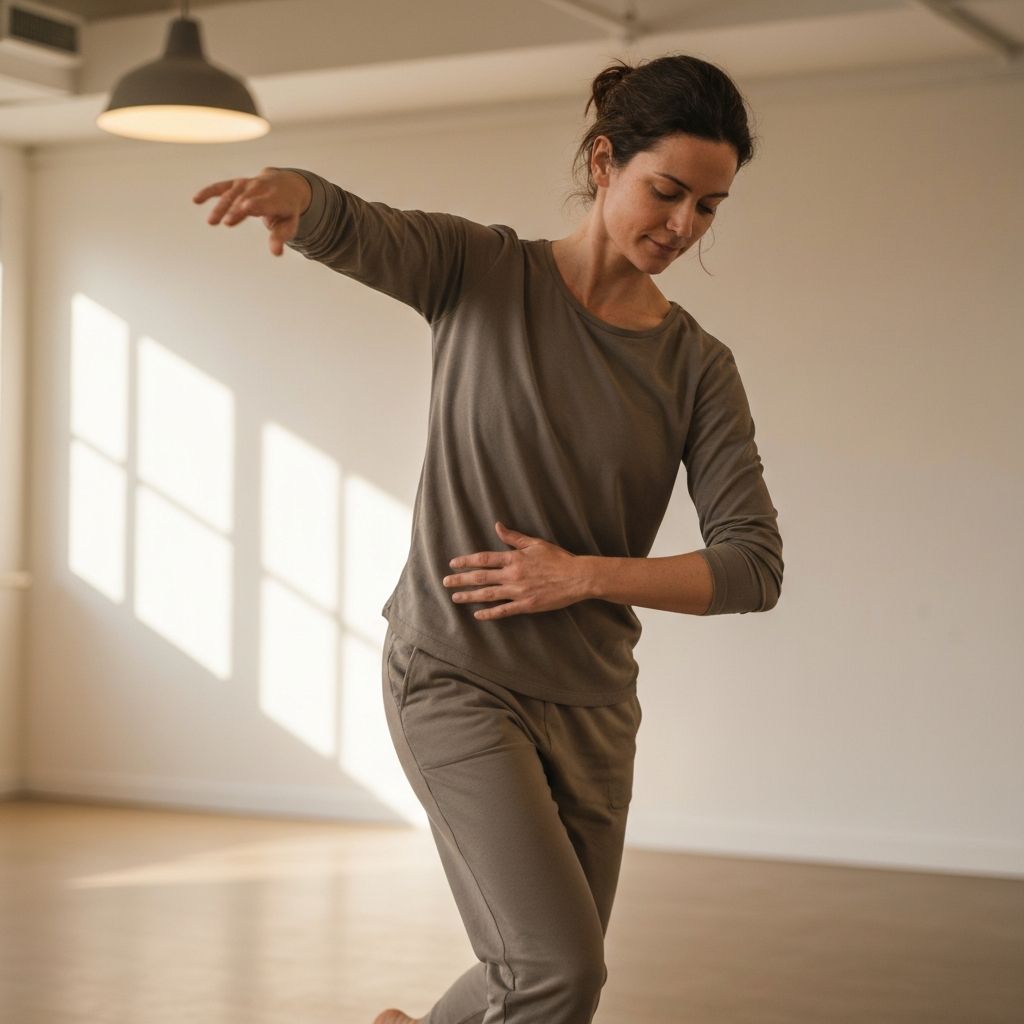
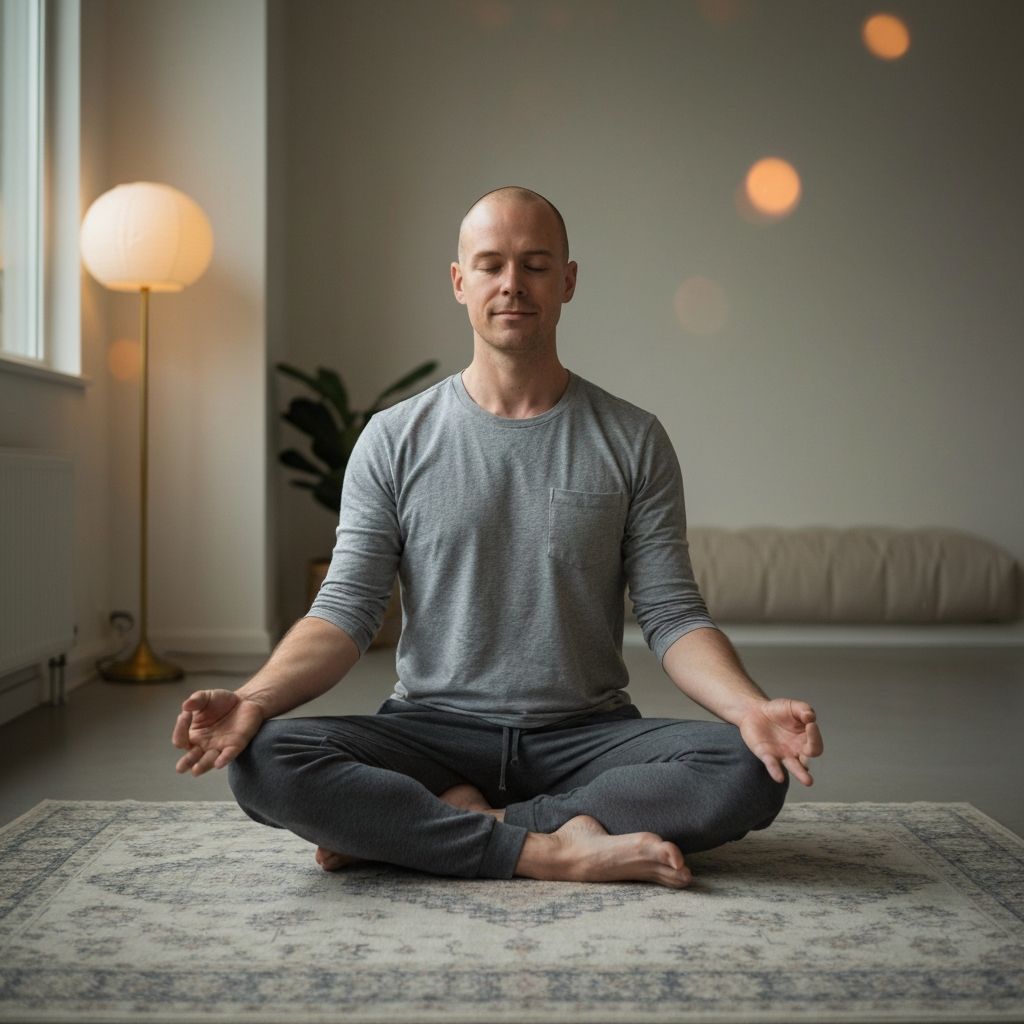
An experimental space for conscious movement, where you explore new possibilities for strength, flexibility, and balance through body awareness practices.
Explore the ApproachMovement is a language your body speaks naturally. At Gikora, we create space for you to listen to that language, explore its vocabulary, and discover new ways of expressing yourself through physical practice.
This is not about achieving perfect form or competing with others. It's about understanding how your body moves, where it finds ease, and where it discovers challenge.
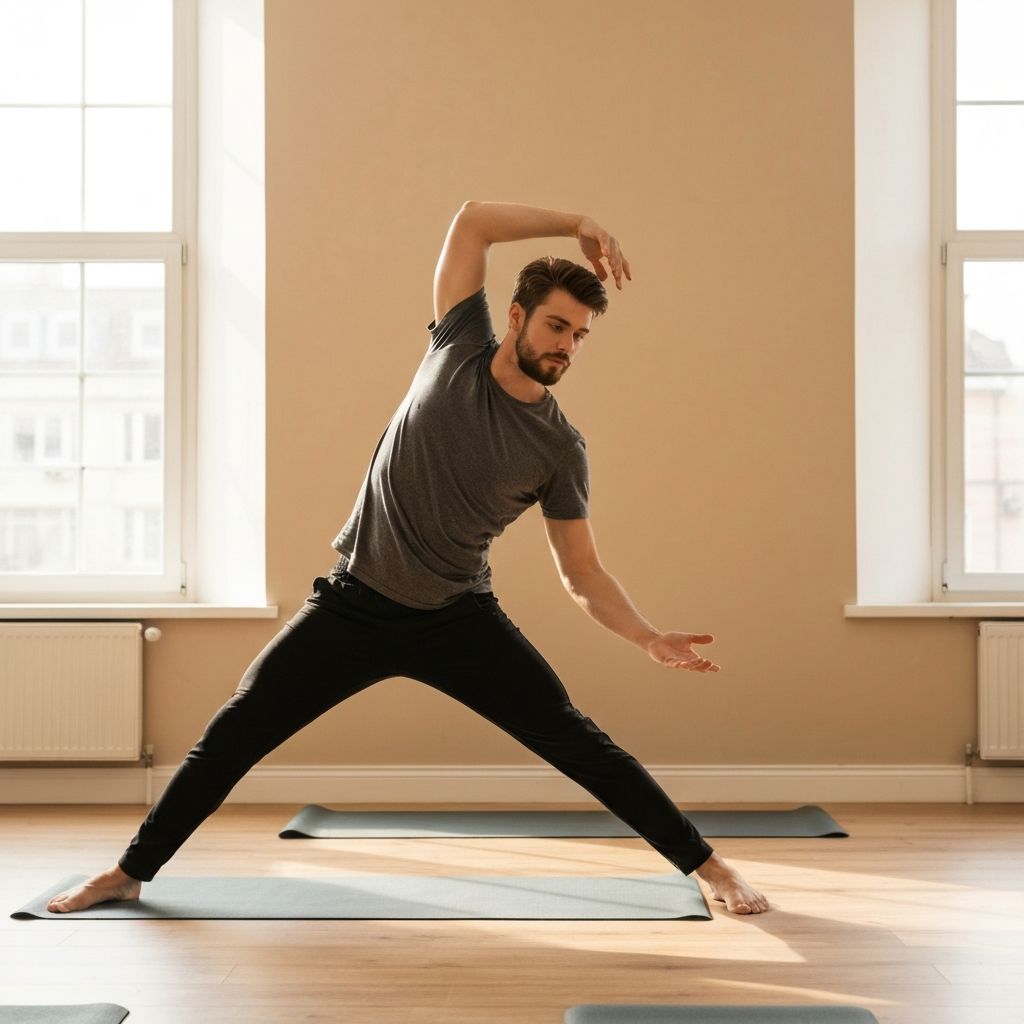
Before changing anything, we observe. Notice how you stand, how you breathe, where you hold tension, and where you feel ease.
Complexity grows naturally. We start with simple movements and let your body guide the pace of exploration.
Every body is different. What works for one person may not work for another. We honour individual experience.
Your body exists in three-dimensional space. How you navigate that space—reaching, bending, rotating, extending—reveals patterns you may have never noticed.
Through guided exploration, you'll discover how your limbs relate to your centre, how weight shifts as you move, and how different positions create different sensations.
Understanding movement patterns helps you recognize how your body organizes itself. Some movements require stability and grounding. Others invite flow and adaptability.
These movements help you feel connected to the ground beneath you. They develop a sense of rootedness and stability.
Dive deeper into the topic →These practices emphasize continuity and transition. They explore how one movement leads naturally to the next.
Expand your understanding →Strength isn't just about lifting heavy things. It's about having the internal support to move with control and intention.
When we talk about developing strength, we mean building the capacity to support yourself through various positions and transitions. This kind of strength feels integrated and functional rather than isolated and forced.
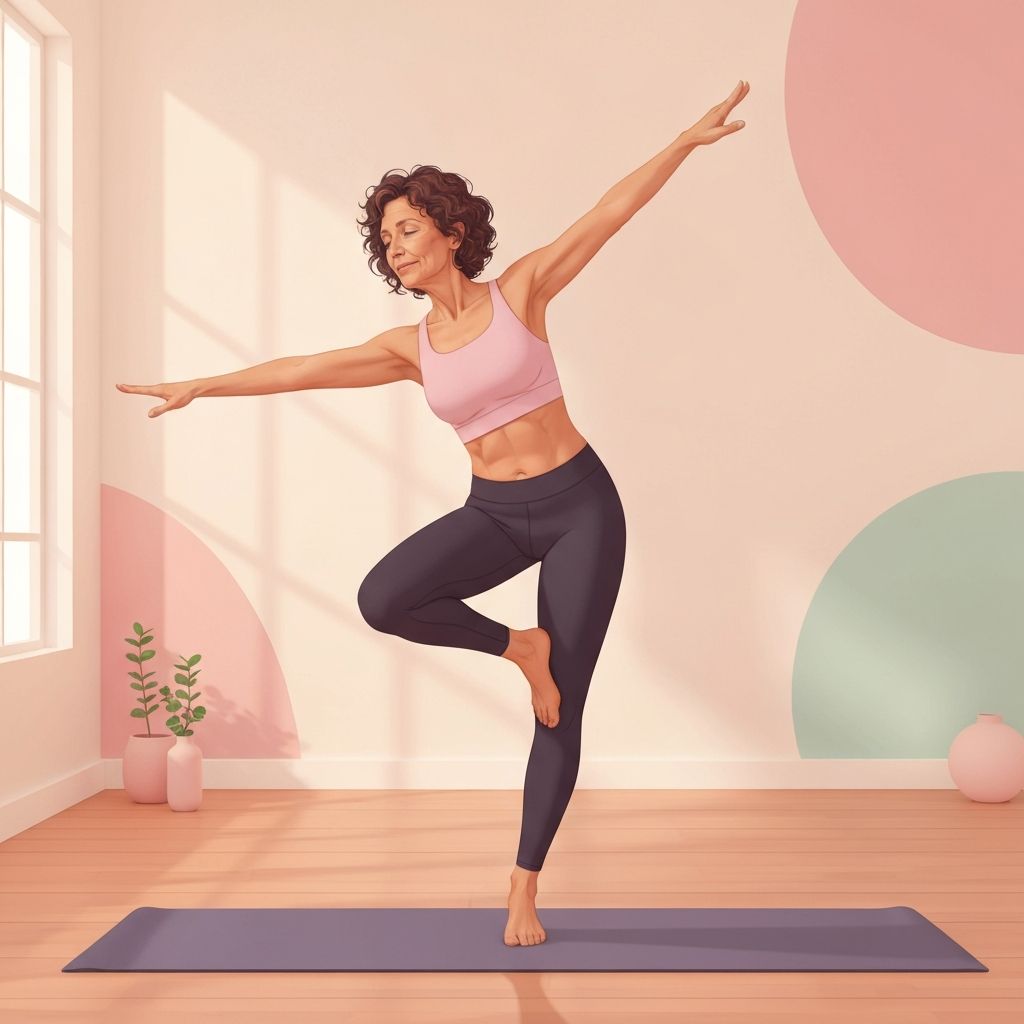
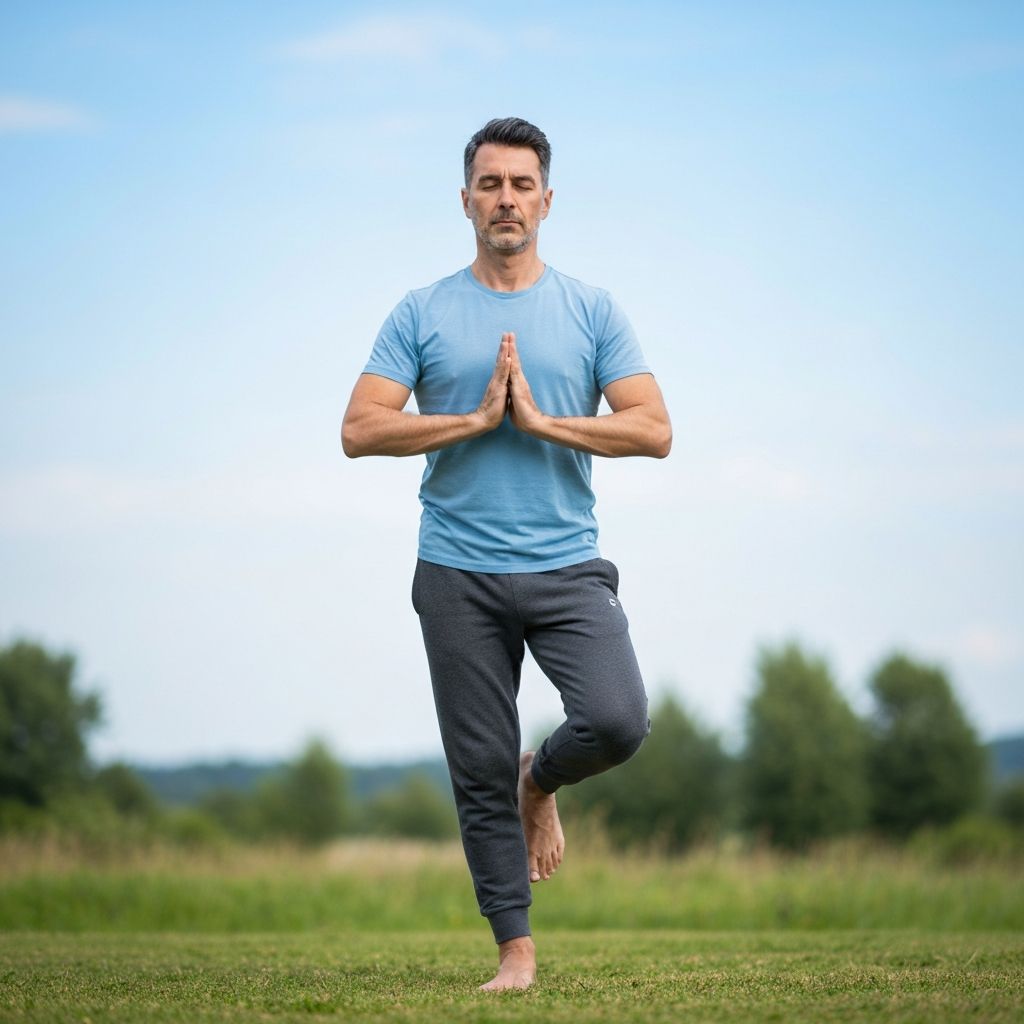
Balance is more than standing on one leg. It's about finding your centre in any position—seated, standing, moving, or still.
Exploring stability while holding still. This helps you understand where your centre of gravity lives and how small adjustments affect your equilibrium.
Finding stability while moving. This is where balance becomes functional—useful in everyday activities like walking, reaching, and transitioning between positions.
Movement control develops when you pay attention to what you're doing. It's not about forcing your body into submission, but about becoming aware of how you move and making intentional choices.
The more attention you bring to movement, the more refined your control becomes. This happens naturally, without strain.
Learn about our approachStart with basic positions and simple movements. Learn to feel what's happening in your body.
Introduce small changes. Explore what happens when you adjust your position or change your breath.
Combine what you've learned into more complex sequences that feel natural and fluid.
"Movement is not about perfection. It's about exploration. Every session is an opportunity to discover something new about how your body works."
The real benefit of movement practice appears in how you move through your day. Reaching for something on a shelf. Getting up from a chair. Bending to tie your shoes. These everyday actions become easier and more comfortable.
Apply body awareness to how you sit, stand, and move during work activities. Small adjustments can make a big difference in comfort.
Household tasks become opportunities to practice mindful movement. Cooking, cleaning, gardening—all can be done with awareness.
Whatever activities you enjoy, body awareness can enhance your experience and help you move with more ease.
Awareness is the foundation of all movement practice. Without it, movement becomes automatic and unconscious. With it, every movement becomes an opportunity for learning.
Concentration doesn't mean intense focus that creates tension. It means gentle, sustained attention to what you're doing and how you're doing it.
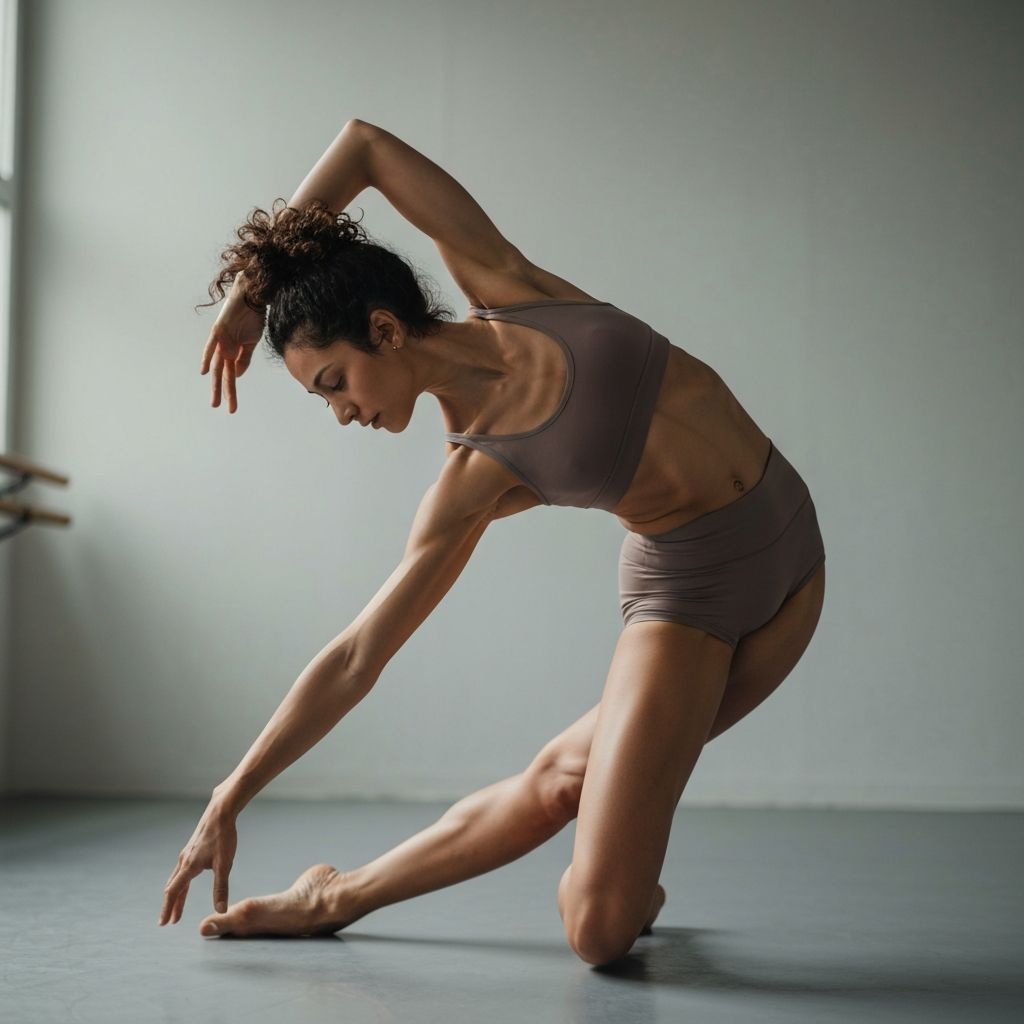
Explore spinal movement through undulating patterns that travel from head to tailbone.
See examples in context →Discover how your weight distributes across different surfaces and positions.
Follow step-by-step →Explore how rotation initiates from your centre and spirals outward through your limbs.
Unpack the concept →Practice extending through space while maintaining connection to your centre.
Explore related knowledge →"I've learned to notice how I move throughout my day. Small adjustments have made a noticeable difference in how I feel."
— James, Accountant
"The exploratory approach was exactly what I needed. No pressure, just curiosity about movement."
— Emma, Teacher
"I appreciate that it's educational rather than prescriptive. I feel like I'm learning about my body, not being told what to do."
— Michael, Designer
We focus on exploration and awareness rather than achievement. There's no "right" way to move—only ways that work better or worse for your individual body.
Anyone interested in understanding their body better. Particularly those who spend long hours sitting, or anyone looking for a gentler approach to physical activity.
Guided exploration of different movements and positions. You'll be encouraged to notice what you feel and explore variations at your own pace.
No prior experience needed. We start with simple observations and movements, building complexity gradually based on your comfort level.
We provide information about how movement works and encourage you to discover what works for your body. Our instructors are educators who help you learn about movement principles.
Get in touch to learn more about our movement and body awareness sessions in Glasgow.
Get in Touch